

Introduction: Understanding Dental Practice Valuation and What Affects Your Sale Price
If you’re planning to prepare your dental practice for sale in Southern California, understanding what truly determines its value is essential. Valuation isn’t just about your most recent revenue figures—it’s a multifaceted process that considers financial health, location, patient demographics, operational efficiency, and even the future potential of the practice. Knowing what influences your sale price will help set realistic expectations and give you a stronger position in negotiations with potential buyers.
Whether you’re working with an independent appraiser or a specialized dental practice broker, understanding these key valuation drivers can mean the difference between an underwhelming offer and a profitable sale. This article will break down the top factors that impact dental practice valuation and why a professional appraisal is a critical step in the sale process.
1. Revenue and Profitability
The Foundation of Any Valuation
The starting point for most valuations is your annual gross collections. However, buyers and lenders dig deeper—looking closely at net income, adjusted EBITDA (earnings before interest, taxes, depreciation, and amortization), and long-term trends.
- Annual Gross Collections: This provides a top-line overview of your production, but it’s only part of the story.
- Net Income / EBITDA: These help assess the true earning power of the practice, after adjusting for owner compensation and non-recurring expenses.
- Trends: A steady or growing income stream over the past 3 years builds buyer confidence. Declining revenue often requires explanation or restructuring.
- Sustainability: Consistency in performance suggests a strong foundation for future growth and smooth ownership transition.
2. Overhead and Operational Efficiency
How Lean Is Your Practice?
Buyers are highly interested in how efficiently your practice runs. A well-managed practice with low overhead (ideally below 60%) is more attractive and often commands a higher sale price.
- Staffing Costs: Wages and benefits are often the largest expense. Excessive payroll may hurt valuation.
- Supplies and Labs: Efficient supply management is a sign of a cost-conscious operation.
- Rent and Utilities: A reasonable lease rate improves profitability, while above-market rent can be a red flag.
- Systemization: Practices that run with clear protocols and efficient workflows typically retain more value.
3. Type of Dentistry and Services Offered
Does Your Practice Offer Broad or Specialized Services?
The type of services your practice provides—whether general, pediatric, cosmetic, or specialty—affects both the buyer pool and perceived value.
- General Dentistry: Typically in high demand due to broad patient appeal.
- Specialties: Endodontics, periodontics, or implant-based practices may attract niche buyers but fewer prospects.
- Cosmetic or High-End Services: Can raise value if location and demographics support them.
- Transferability: Services reliant on highly specialized skills may reduce appeal unless the buyer can replicate them.
4. Location and Demographics
Your Market Influences Demand
Where your practice is located and who it serves play a critical role in valuation. A practice in a visible, easily accessible area with a strong patient base is always more valuable.
- Geographic Appeal: Urban and suburban areas with high foot traffic and visibility attract more buyers.
- Parking & Accessibility: Easy access is a major plus for both patients and future owners.
- Local Competition: Saturated markets may suppress sale prices, while underserved areas may boost value.
- Patient Demographics: Younger, insured, or affluent patient bases are seen as more profitable long-term.
5. Equipment and Technology
Modern Practices Sell Faster
Up-to-date equipment and digital technology not only improve operational efficiency but also increase your practice’s marketability. Buyers prefer practices that require minimal capital upgrades.
- Digital Imaging and CBCT: Considered value-adding features.
- CAD/CAM, Intraoral Scanners: Attract tech-forward buyers.
- Practice Management Software: Cloud-based or paperless systems are a competitive edge.
- Age of Equipment: Detailed inventory with purchase dates helps buyers assess replacement costs.
6. Patient Base and Production Mix
The Strength of Your Patient Relationships
A loyal and active patient base signals practice stability and future income potential—both key valuation elements.
- Active Patients: Defined as those seen in the past 12–18 months, with 1,000+ often considered healthy.
- Hygiene vs. Doctor Production: A strong hygiene department provides recurring revenue and indicates patient retention.
- New Patient Flow: High monthly new patient averages signal growth potential.
- Insurance Mix: Fee-for-service practices are typically valued higher than PPO or DSO-heavy practices due to better margins.
7. Staff Stability and Structure
Is Your Team Likely to Stay Post-Sale?
Retention of experienced staff is a major benefit to buyers. It offers continuity and reduces disruptions after ownership transition.
- Tenure: Long-serving employees with strong patient relationships add value.
- Defined Roles: Well-structured staff with clear responsibilities indicate a stable operation.
- Associates: Having a non-owner dentist on staff may attract group buyers or DSOs.
- Turnover: High turnover rates reduce buyer confidence and valuation.
8. Lease Terms or Real Estate Ownership
Secure Location, Secure Value
Your physical location must be transferrable or available long-term for a practice to be attractive. This means having favorable lease terms or offering the real estate for purchase.
- Lease Length: A lease with at least 5–10 years remaining is ideal.
- Assignability: Clauses that allow the lease to transfer are crucial.
- Real Estate Purchase Option: Practices with real estate can command premium offers if buyers are looking to own both.
- Rent Costs: Reasonable rates support profitability and valuation.
9. Transition Risk
Is the Practice Too Dependent on You?
Buyers want to know they can maintain production and patient relationships without you. A practice too heavily tied to the owner’s personal relationships or clinical style presents more risk.
- Branding: Practices branded around the doctor’s name may require rebranding.
- Patient Loyalty: Systems that build team-based care improve patient retention post-sale.
- Seller Involvement: Willingness to stay on temporarily for training eases buyer concerns and supports a higher valuation.
Why a Professional Appraisal Matters
Setting Realistic Expectations
A professional dental practice appraisal is critical for establishing a fair, data-backed asking price. Brokers and appraisers use a blend of methods—including income-based, market-based, and asset-based approaches—to deliver an accurate value.
- Prevents underpricing and leaving money on the table
- Avoids overpricing and scaring away qualified buyers
- Helps lenders assess risk and determine financing terms
- Informs tax and legal advisors for a compliant transaction
Ready to Get a Valuation on Your Practice?
Understanding what affects your sale price puts you in the driver’s seat when planning your next move. From revenue and location to equipment and staffing, each piece contributes to the full picture.
📞 Interested in selling your dental practice? Contact DDS Practice Broker for a personalized dental practice valuation and discover how much your practice is truly worth.
Related Articles
- How to Successfully Sell Your Dental Practice in Southern California: A Complete Guide
- How to Prepare Your Dental Practice for Sale: A 6-Step Seller’s Checklist
- Understanding Dental Practice Valuation: What Affects Your Sale Price?
- What Buyers Are Looking For in a Southern California Dental Practice
- 10 Red Flags That Scare Off Dental Practice Buyers (And How to Fix Them)
- Legal and Financial Documents You Need to Sell a Dental Practice
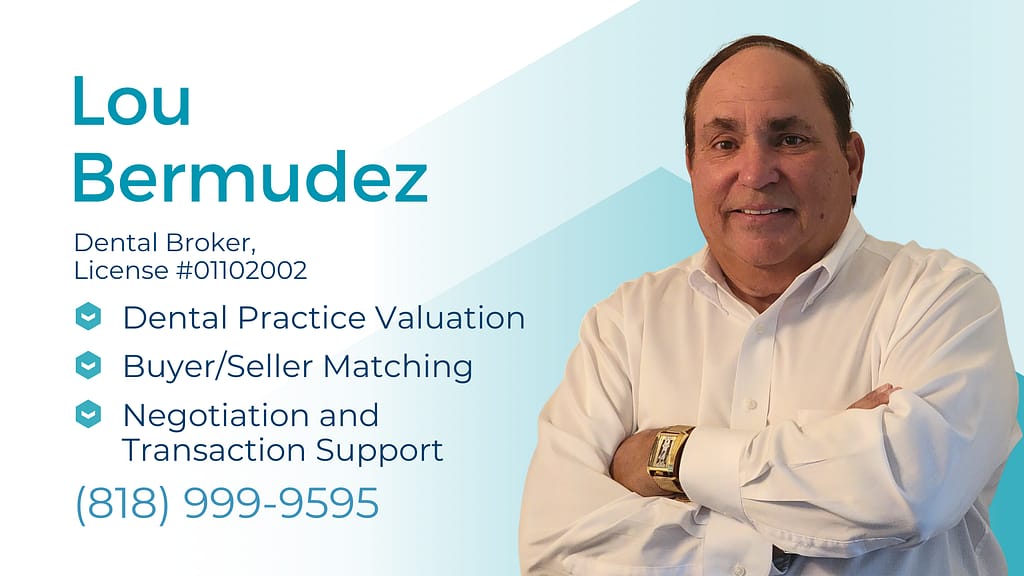
Lou Bermudez is a pioneer in dental practice brokerage with nearly 40 years of experience in California. As the founder of Practice Sales and Appraisals, he offers expert guidance in buying, selling, and valuing dental practices. Lou’s personalized approach and extensive industry connections ensure smooth, successful transitions for dental professionals.
From comprehensive valuations to strategic negotiations, Lou’s end-to-end support has facilitated thousands of practice transitions across Southern California. His commitment to integrity and results has made him a trusted advisor in the dental community.
Leave a Reply