
Introduction: Legal and Financial Documents You Need to Sell a Dental Practice
Preparing to sell your dental practice in Southern California involves more than simply finding a buyer. It requires a full, well-documented presentation of your financial and legal standing. The due diligence process is where serious buyers—and their lenders—evaluate your practice’s health and operational integrity. Without organized, transparent documentation, deals fall apart, financing gets delayed, or worse—buyers walk away.
To help ensure a successful transition, this article outlines the 10 essential legal and financial documents you’ll need before listing. With support from a qualified dental practice broker like DDS Practice Broker, gathering and preparing these materials becomes a streamlined, stress-free process that protects your interests and impresses potential buyers.
💵 1. 3+ Years of Financial Statements
Financial statements provide the foundation for valuing your practice and evaluating operational performance.
- Profit & Loss (P&L) statements
- Balance sheets
- Year-to-date financial summaries
✅ Tip:
Work closely with your CPA to ensure all statements are clean, consistent across years, and clearly categorized. These numbers should align with tax returns and internal reports.
🧾 2. 3 Years of Tax Returns
Buyers and lenders use tax returns to verify revenue and cash flow. These official records back up the figures in your P&Ls and assure buyers there are no hidden surprises.
- Federal and state returns
- Schedule C (sole proprietors) or K-1 forms (partnerships)
✅ Tip:
Provide clean copies, ideally with supporting documentation if any amendments were made. Buyers want to see stability, not red flags.
📊 3. Production and Collection Reports
These reports offer insight into provider performance, patient engagement, and financial health.
- Gross production by provider
- Net collections
- Adjustments and write-offs
- Hygiene vs. doctor production breakdown
✅ Tip:
Most buyers look for consistent production-to-collection ratios, strong hygiene revenue, and recurring services.
🗂 4. Accounts Receivable Aging Report
Buyers want to know how much is owed to the practice and the likelihood of collecting it. This report shows patient balances by age category (e.g., 30, 60, 90+ days).
✅ Tip:
Clear A/R data prevents disputes over collections and helps negotiate whether outstanding balances are included in the sale.
🧑⚕️ 5. Staff Details
Staffing is a major operational consideration. Buyers want to understand payroll costs, job roles, and staff stability.
- Wage summaries
- Start dates and job titles
- Benefit structures and contracts
✅ Tip:
Organize this into a spreadsheet or HR summary. Buyers may interview staff during the transition period, so accuracy is key.
📋 6. Office Lease or Real Estate Documents
Whether you lease or own, your real estate documents significantly impact sale negotiations.
- Current lease agreement with terms and expiration date
- Renewal options and assignability clauses
- Deed or appraisal (if you own the property)
✅ Tip:
Unfavorable lease terms (e.g., high rent or short duration) can reduce buyer interest. Work with a broker to address this early.
🦷 7. Equipment and Asset List
This inventory gives buyers a snapshot of the tools they’ll inherit.
- Dental chairs, X-ray machines, computers, and software
- Purchase dates and condition ratings
- Inclusions vs. exclusions in the sale
✅ Tip:
Include photos and update this list as needed. Highlight any recent upgrades that add value.
📈 8. Patient Metrics and Reports
Patient data is vital for evaluating growth potential and patient loyalty.
- Active patient count in the last 12–18 months
- Monthly new patient averages
- Recall system efficiency
✅ Tip:
Most buyers want to see at least 1,000 active patients and a functional hygiene recall system to drive revenue.
📃 9. Legal Entity and Ownership Documents
These documents outline your practice’s structure and who holds ownership rights.
- Articles of incorporation
- Operating or shareholder agreements
- Buy-sell clauses (if applicable)
✅ Tip:
Clear ownership records speed up the legal side of closing and help avoid surprises during negotiations.
💬 10. Miscellaneous Supporting Documents
Buyers will appreciate any additional information that paints a full picture of daily operations and business potential.
- Licenses and certifications
- Marketing brochures or website analytics
- Vendor contracts (e.g., labs, software, suppliers)
✅ Tip:
Having this ready shows professionalism and transparency, which builds buyer trust.
Let DDS Practice Broker Help You Gather What Matters
Getting these documents in order before listing gives buyers—and their lenders—confidence in your practice. It also streamlines the sale process and puts you in the best position to receive serious offers.
📞 Need help preparing your documentation? Contact DDS Practice Broker today for expert guidance in organizing your financials and legal records for a successful dental practice sale.
Related Articles
- How to Successfully Sell Your Dental Practice in Southern California: A Complete Guide
- How to Prepare Your Dental Practice for Sale: A 6-Step Seller’s Checklist
- Understanding Dental Practice Valuation: What Affects Your Sale Price?
- What Buyers Are Looking For in a Southern California Dental Practice
- 10 Red Flags That Scare Off Dental Practice Buyers (And How to Fix Them)
- Legal and Financial Documents You Need to Sell a Dental Practice
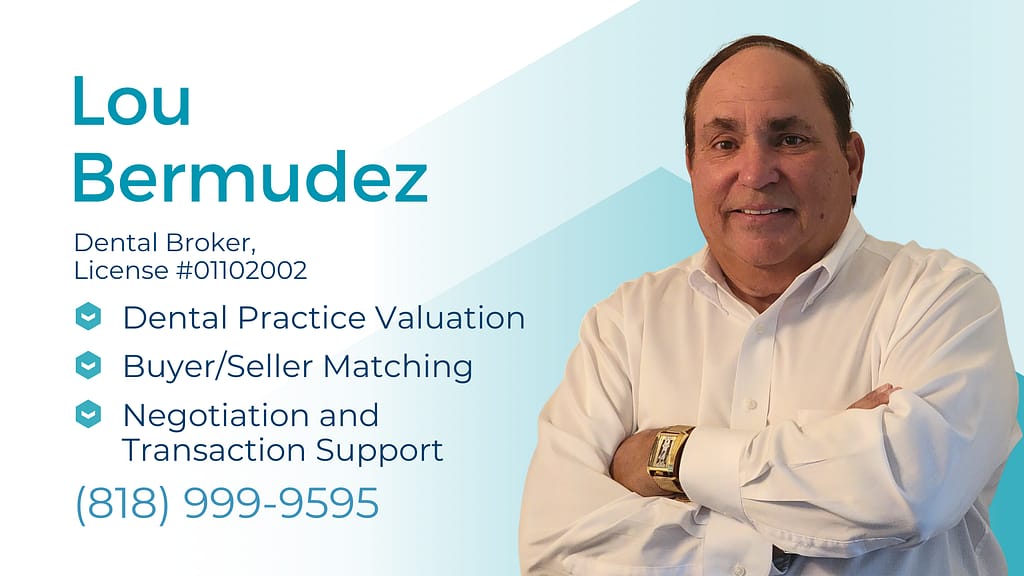
Lou Bermudez is a pioneer in dental practice brokerage with nearly 40 years of experience in California. As the founder of Practice Sales and Appraisals, he offers expert guidance in buying, selling, and valuing dental practices. Lou’s personalized approach and extensive industry connections ensure smooth, successful transitions for dental professionals.
From comprehensive valuations to strategic negotiations, Lou’s end-to-end support has facilitated thousands of practice transitions across Southern California. His commitment to integrity and results has made him a trusted advisor in the dental community.